A cup of coffee or a ceramic mug may seem like nothing more than familiar items of everyday life. But when we look more closely at how they are made and used, we begin to uncover stories about Environmental, Social, and Governance (ESG) factors.
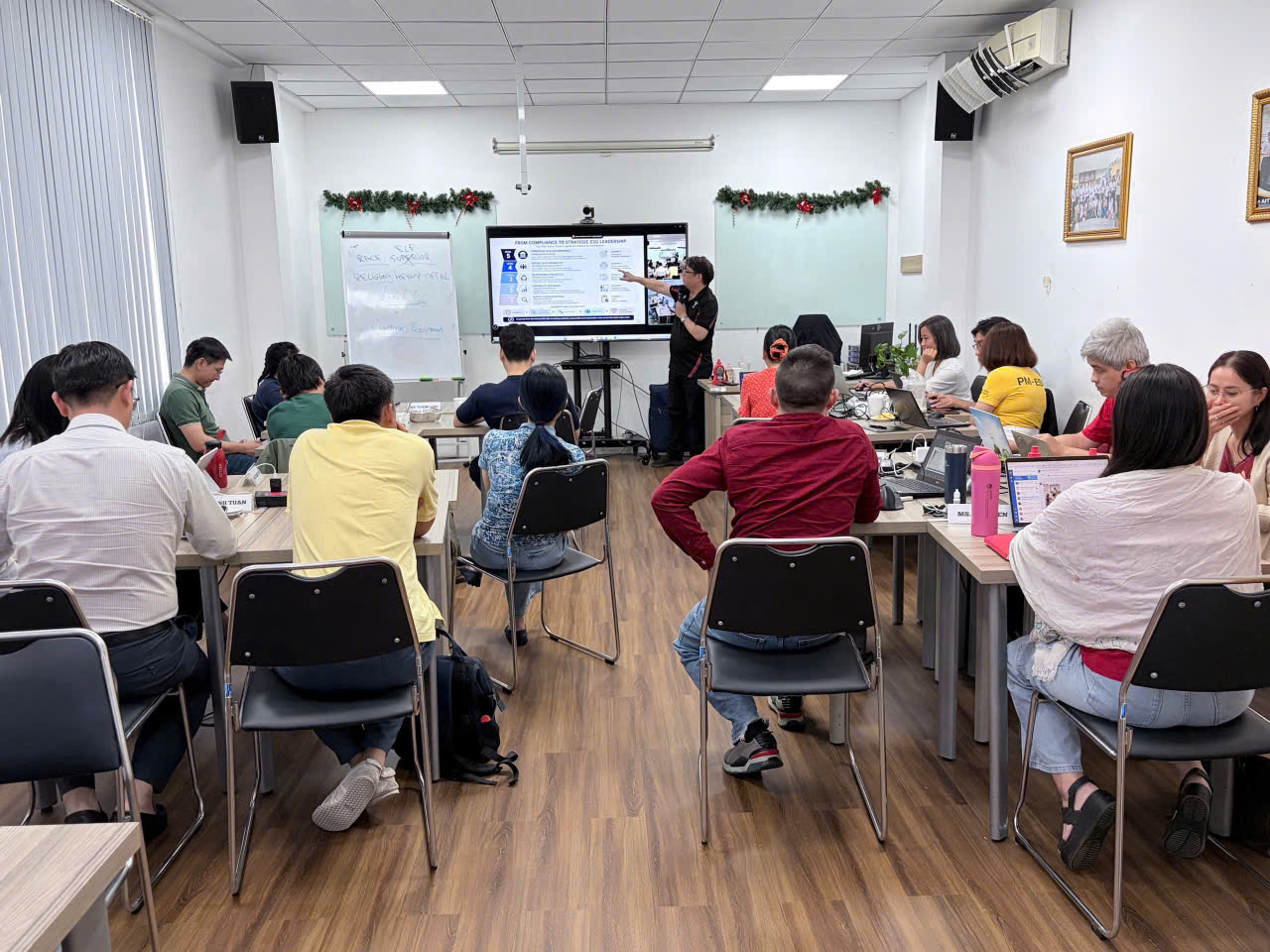
That is also how the ESG class at AIT Vietnam approaches new knowledge. Students brought everyday products to class, such as scented candles, ceramic mugs, and cups of Vinacafé coffee. Let’s explore this engaging learning experience with AIT Vietnam.
Viewing ESG through a cup of coffee
Vinacafé is one of the long-standing instant coffee brands in Vietnam. The brand’s predecessor was the Coronel Coffee Factory, built in Bien Hoa in 1968, which later gave rise to the Vinacafé brand in 1983. The facility is also recognized as the first instant coffee processing plant in the Indochina region.
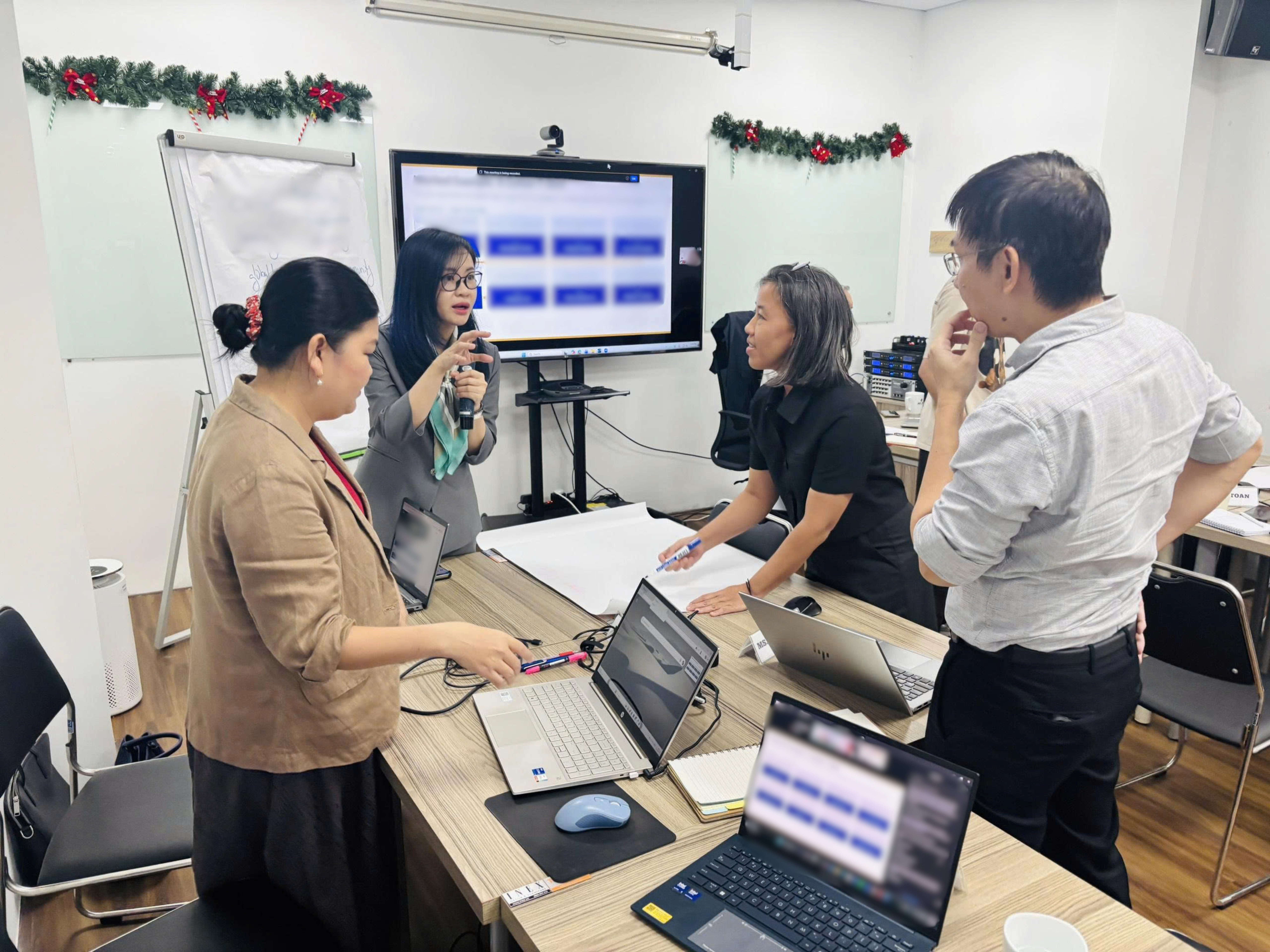
From a familiar product like a cup of coffee, students raised a broader question: How can businesses turn supply chain risks into competitive advantages?
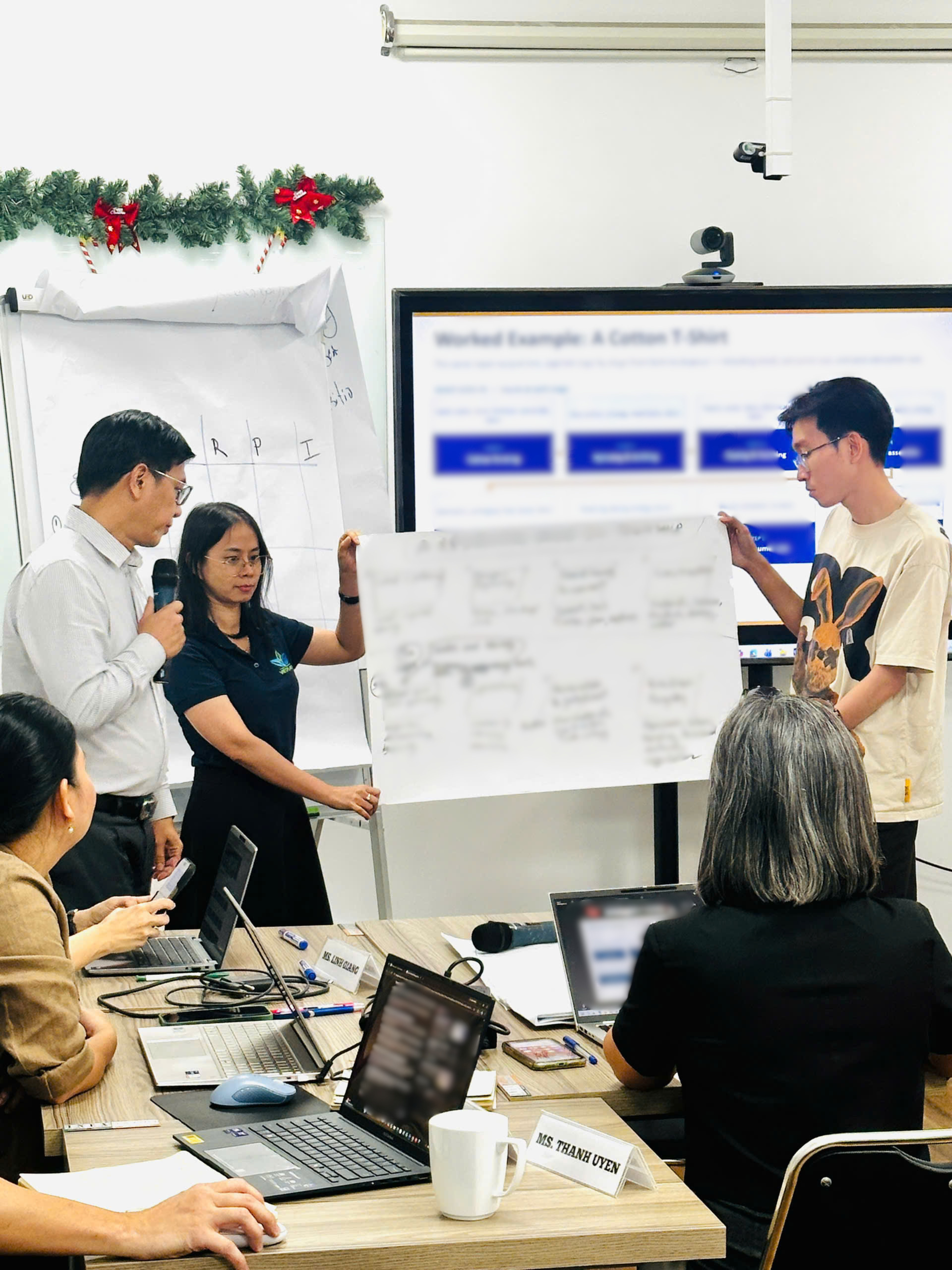
In this case study, students addressed the challenge of traceability. Unclear raw material origins can lead to high audit and verification costs, import risks, and supply instability. Conversely, farm-level traceability enables companies to comply with mandatory regulations and standards, strengthen market access, and build consumer trust.
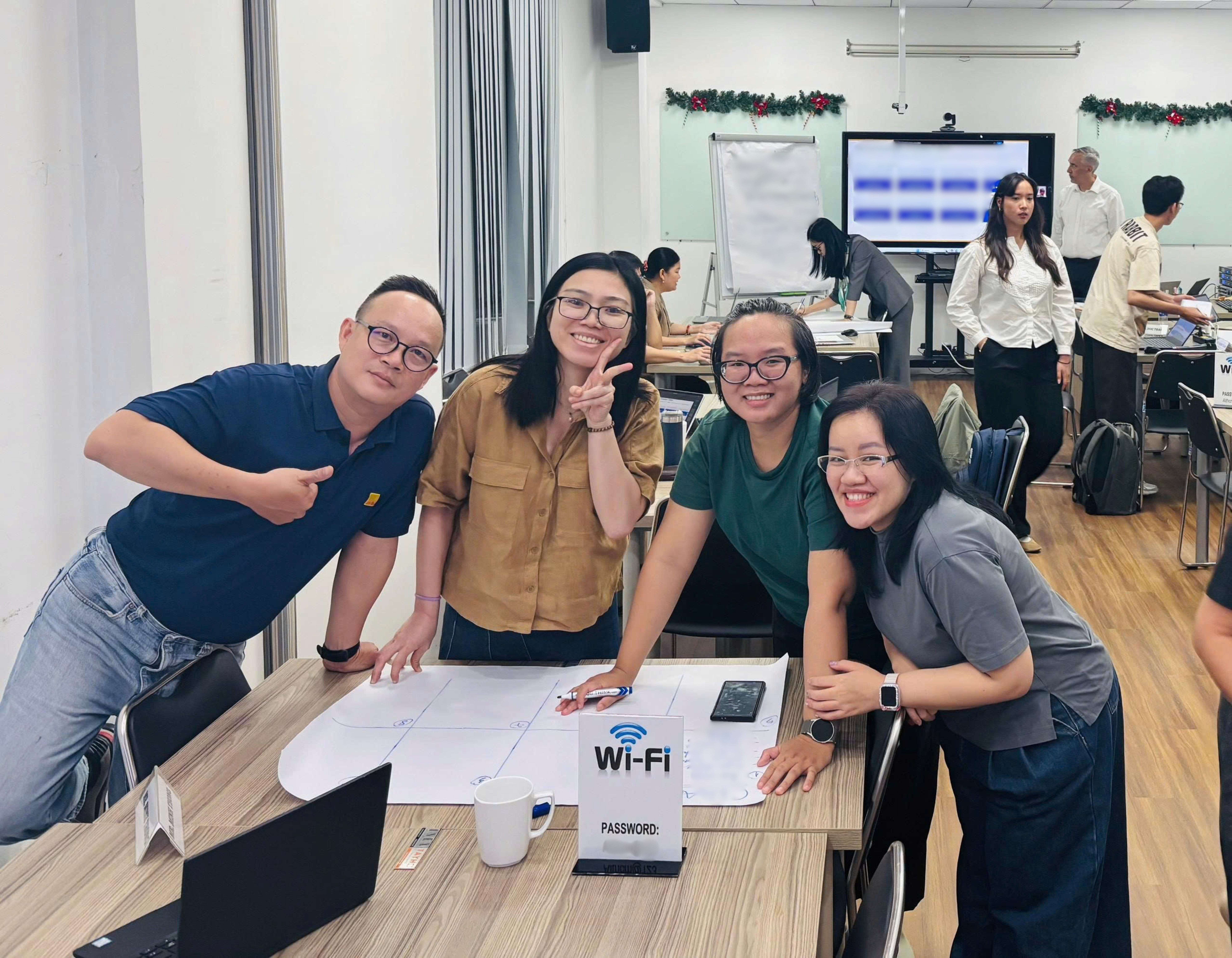
When a ceramic mug tells another ESG story
Another case study brought students to the ceramics industry, where ESG considerations emerge right from the start of the production line.
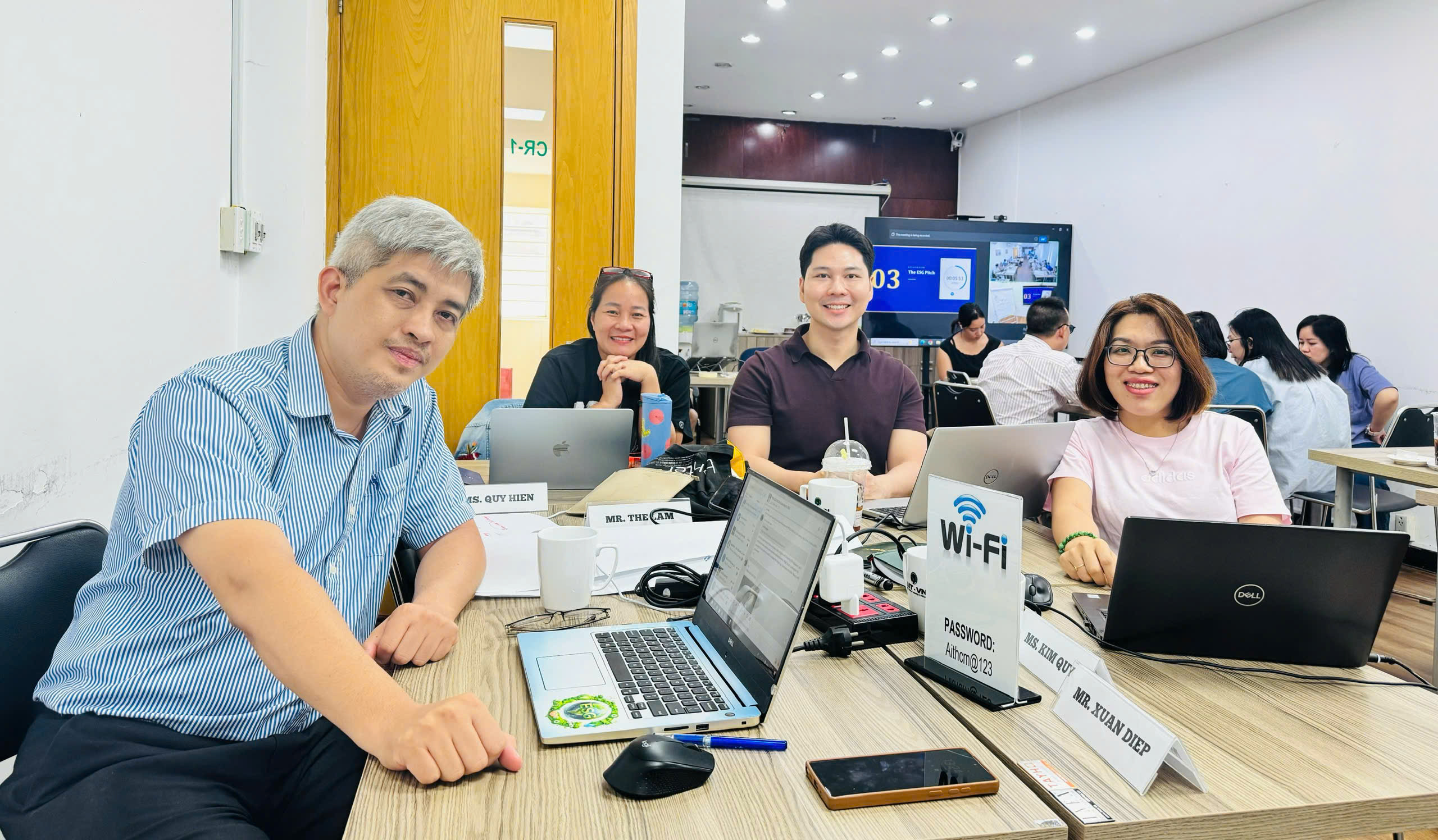
Here, students examined issues such as emissions, energy consumption, and occupational health and safety, thereby exploring approaches anchored in Circularity, Resilience, and Value Creation. Solutions such as material reuse, raw material traceability, and improved manufacturing conditions can help businesses mitigate risks and enhance product value.
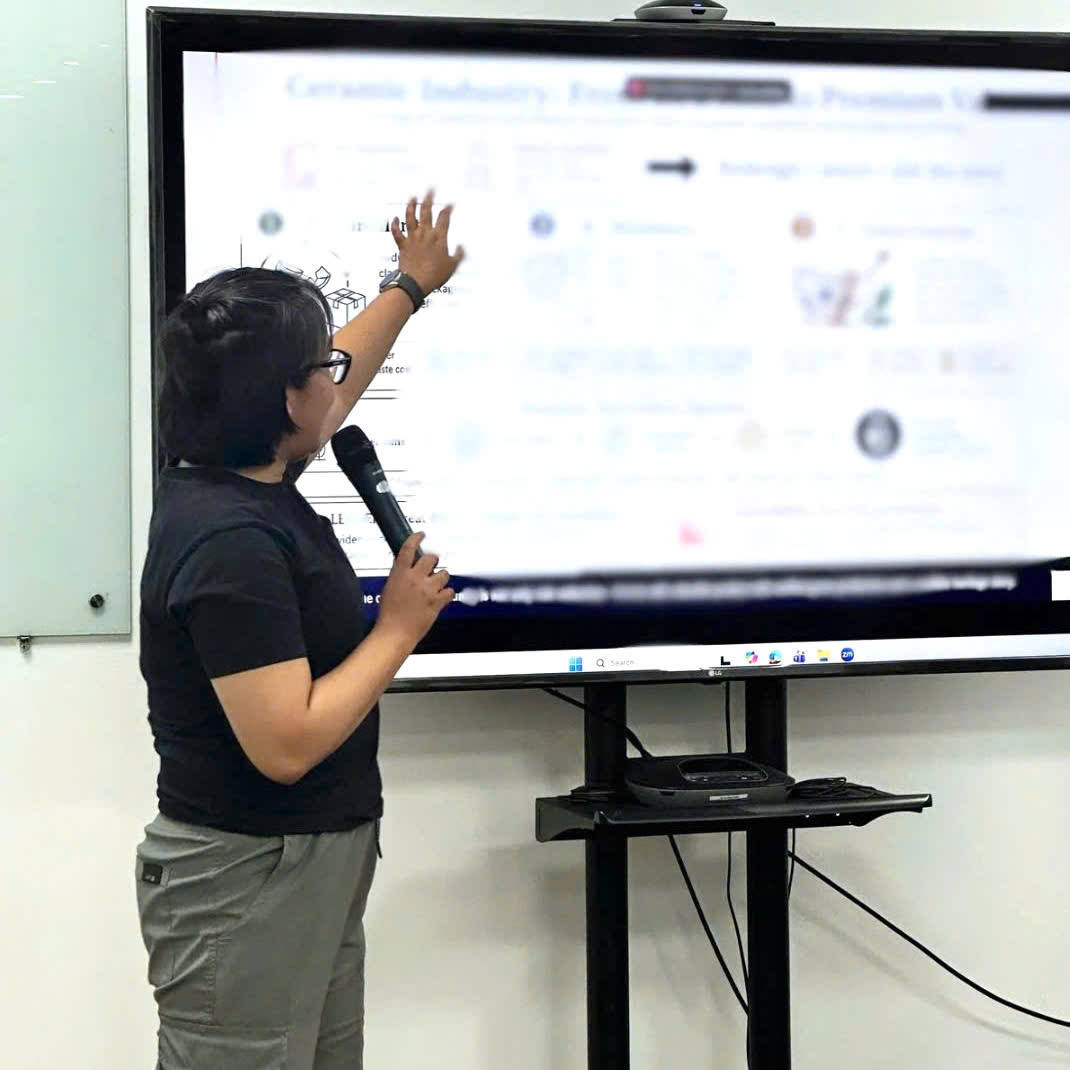
As a result, ESG is no longer merely a matter of cost or compliance; it can become an integral part of how businesses design products, build brands, and create long-term value.
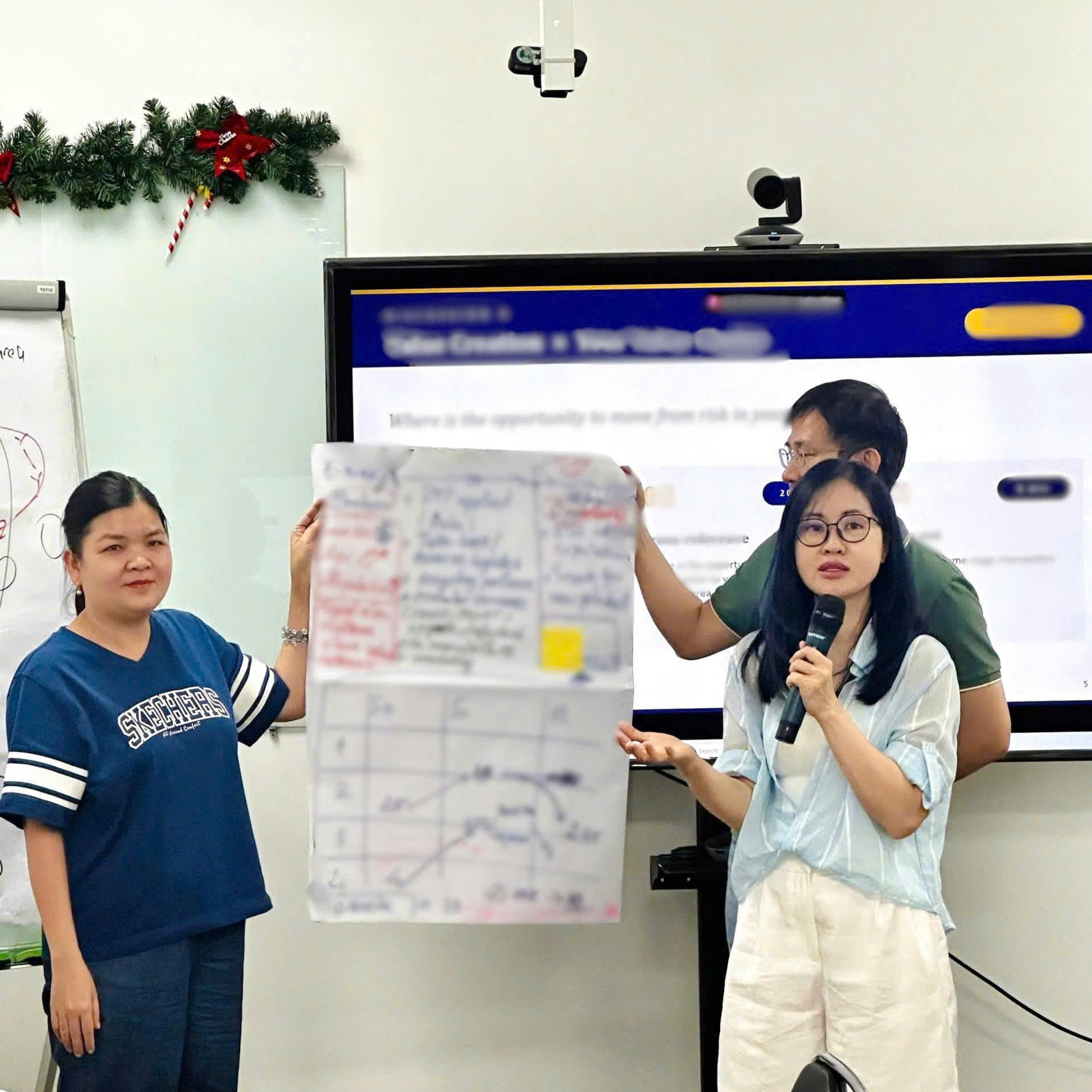
What do you learn from the ESG course?
Over the three-day course, students engaged with ESG through interactive learning methods, group discussions, and real-world case studies focused on:
- Identifying ESG risks and opportunities across the value chain.
- Analyzing ESG issues such as traceability, the circular economy, resilience, and compliance requirements.
- Evaluating ESG from the perspectives of risk, compliance, and value creation, linked to financial and investment considerations.
- Developing and pitching a compelling ESG business case tailored to the needs and decision-making processes of corporate leadership.
→ Learn more about the Professional Master in Environment, Social and Governance (PM-ESG) program.